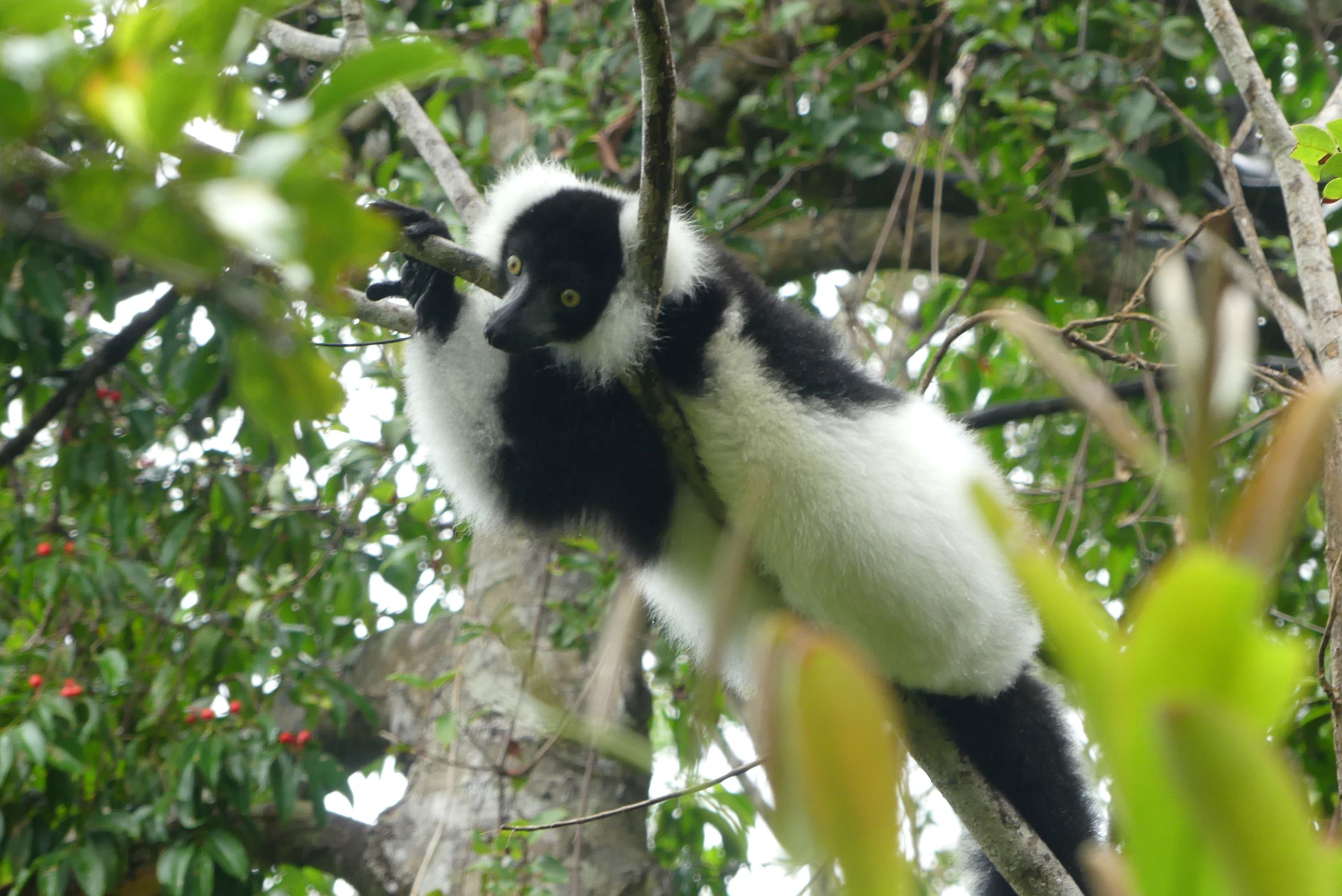
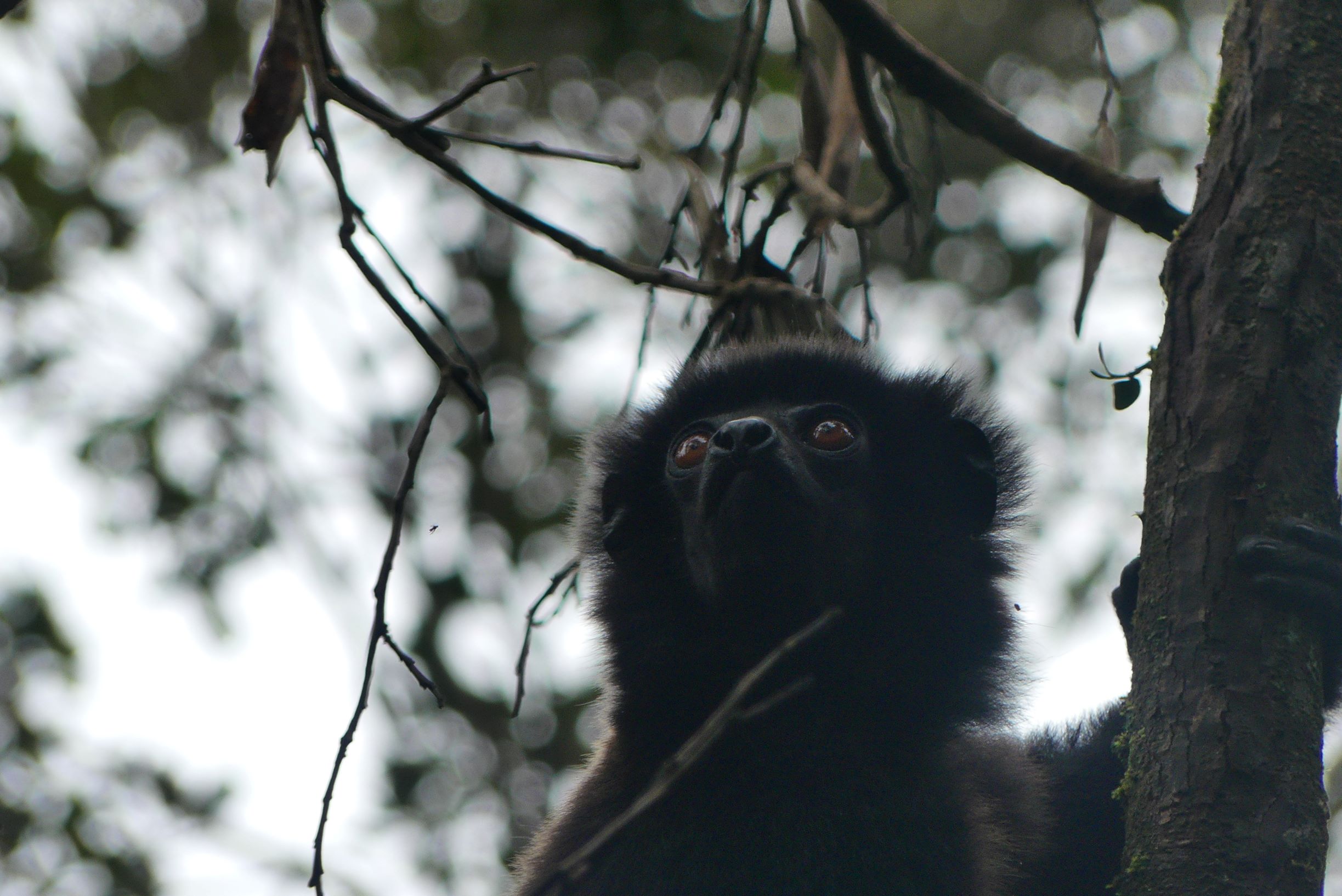
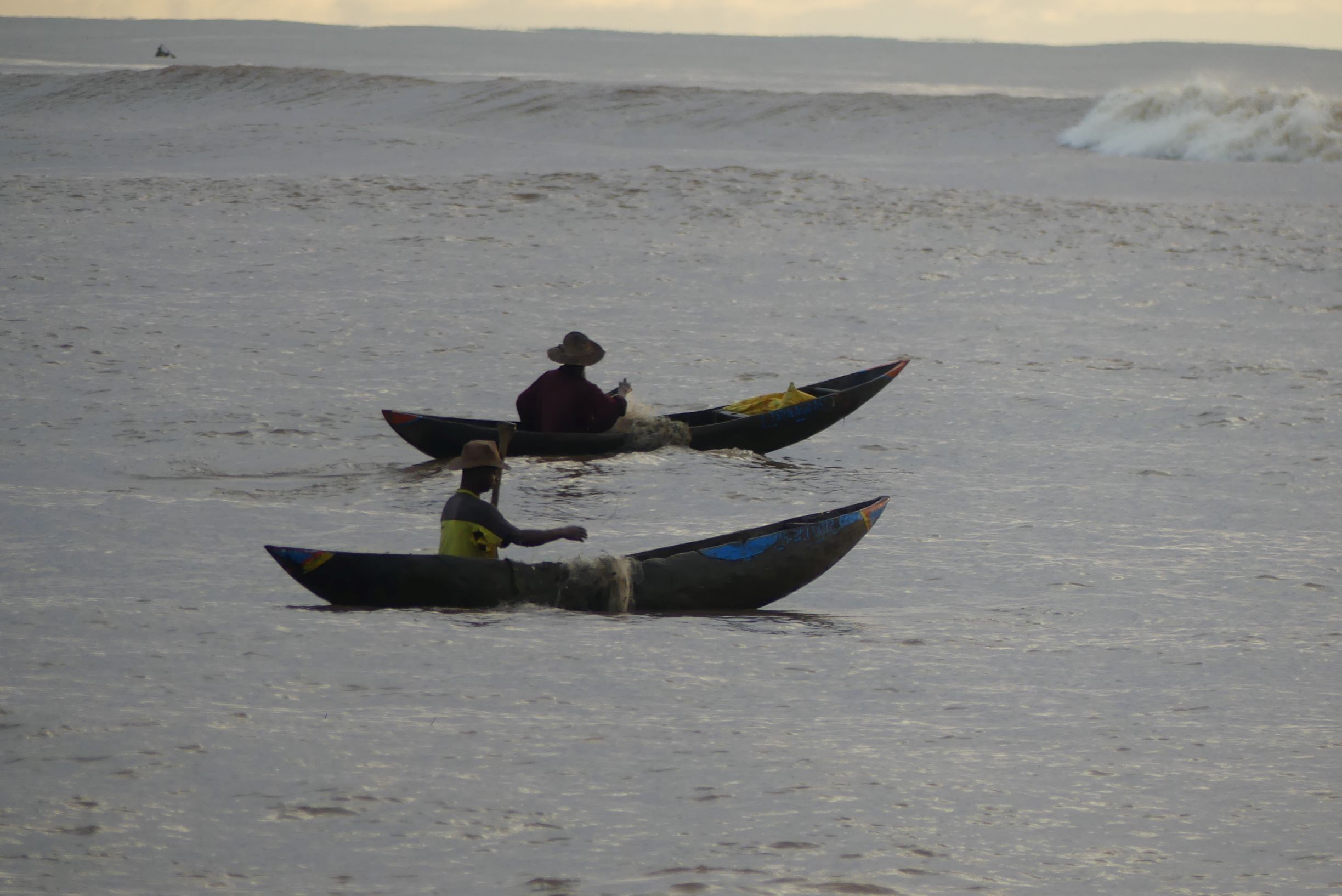
Madagascar is one of the world’s foremost biodiversity hotspots. Its unique assemblage of plants, animals, and fungi—the majority of which evolved on the island and occur nowhere else—is both diverse and threatened. After human arrival, the island’s entire megafauna became extinct, and large portions of the current flora and fauna may be on track for a similar fate.
Conditions for the long-term survival of many Malagasy species are not currently met because of multiple anthropogenic threats (Ralimanana et al., 2022). Furthermore, over 50% of the original forests since the 1950’s have been destroyed due to deforestation, leaving the very existence of these unique species under serious threat.
Our vision
Together with local communities, we strive to protect Madagascar’s forests through education, research and collective action.
Our objectives
Madagascar Biodiversity Partnership seeks to utilize conservation research, community-based conservation, education & outreach in order to:
Partner with the local community in preserving the environment and in sustainable development.
Serve as a catalyst in promoting local understanding of conservation needs while improving the standard of education.
To create empowerment opportunities for the local communities around our field stations
Why is Madagascar in trouble?
Large Human Population
The island has a population of more than 24 million people; 60% of which are under the age of 20 and nearly 40% are under the age of 14.
Rampant Poverty
Madagascar is considered one of the poorest countries in the world. About 82% of Madagascar’s rural population is well below the world poverty line and more than 92% are surviving on less than a $2.00 a day.
Pressures on the Forest
Basic needs are met by relying on the forests resources such as fuel for cooking and heating.
Other challenges
Little Money Available for Education: Only about 19% of the national budget goes towards education; 95% of this goes towards salaries
How MBP was established?
Dr. Edward Louis Jr., has been working in Madagascar since 1998. The focus of the research has been to develop baseline molecular genetics and distribution data on Malagasy flora and fauna with an emphasis on lemur species.
In 2010, Dr. Louis established the Madagascar Biodiversity Partnership (MBP), a Malagasy non-governmental organization, as an extension of the innovative conservation projects throughout the country. The NGO strives to protect local forests for the wildlife while ecologically and environmentally raising the standard of living for thousands of people who are equally reliant upon the natural resources. Believing that everything is connected, or “Mampifandray ny tontolo”, MBP incorporates research, education and community involvement to achieve sustainability.